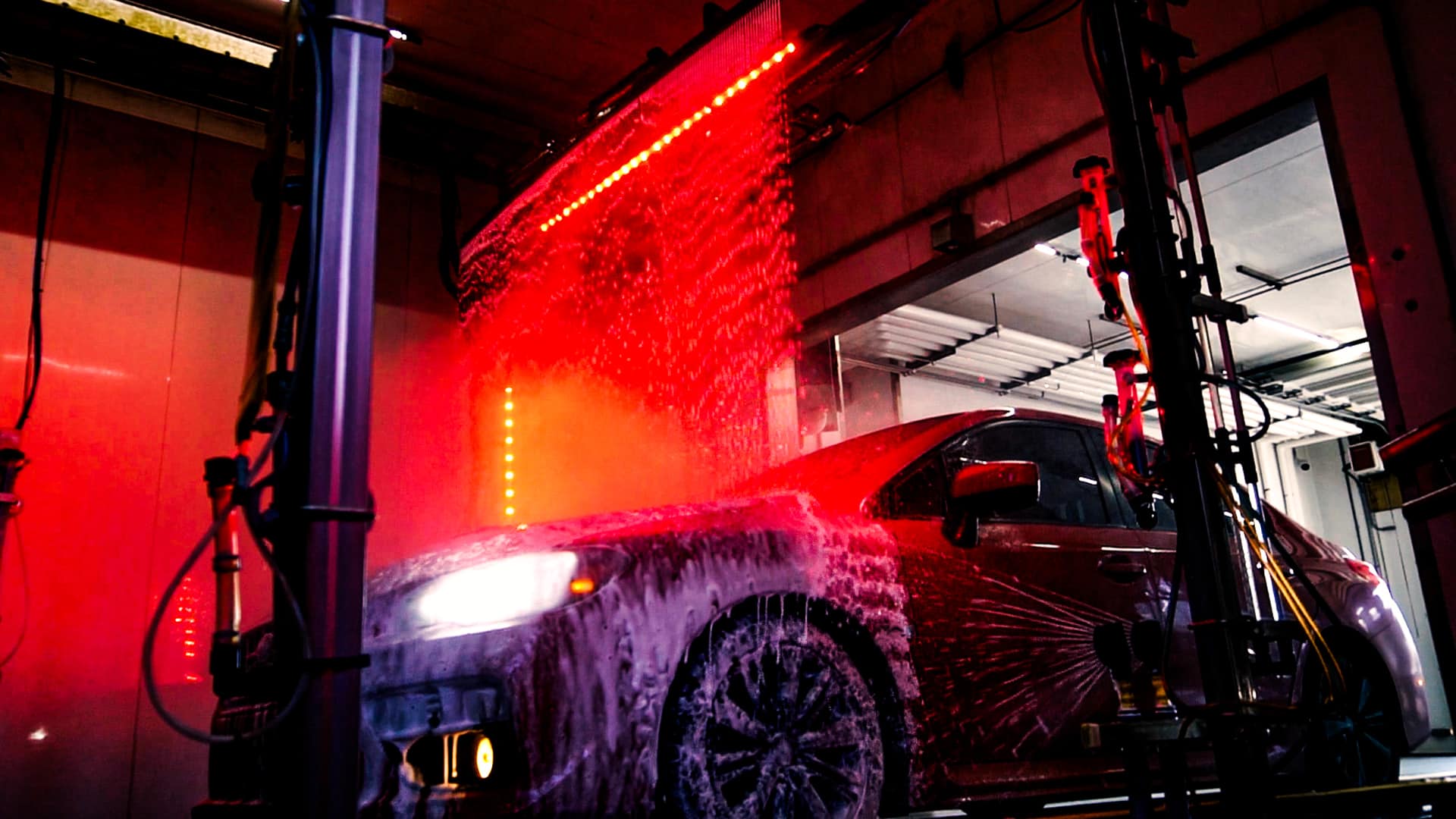
Why Chemical Delivery Is Critical to Consistent Wash Quality
Customers evaluate wash quality from inside the car, but inconsistent results often stem from how chemistry is delivered under real operating conditions.

Director of Channel Sales, AVW Equipment Company
In this episode of Ask the Expert, we talk with Zac Hamilton, Director of Channel Sales at AVW Equipment Company and former distributor, operator, and owner, about what it really takes to build a car wash that performs long-term.
Drawing on more than 20 years of experience in the industry, Zac shares how early decisions around site selection, equipment, and system design carry through into day-to-day operations and overall performance.
From upfront planning to ongoing execution, this conversation focuses on how operators can think beyond opening day — building teams, processes, and operations that are consistent, repeatable, and built to last.
Zac Hamilton is the Director of Channel Sales at AVW Equipment. He brings more than 20 years of experience in the car wash industry, including time as a distributor, car wash owner, and operator.
Having worked across multiple sides of the business, Zac brings a practical, operator-focused perspective on site planning, equipment decisions, and the day-to-day realities of running a successful car wash.
Below is the full transcript of this Ask the Expert interview with Zac Hamilton.
Dan: All right, Zach, well, thanks so much for joining us today. I think the best place to start is if you can give us a sense of your background, your background in the industry, and then your role today with AVW.
Zac: Yeah, thanks. Thanks for having me. Yeah, so I started in the industry in 2003. I was working for a company and we were a PDQ distributor. And during that process of being a PDQ distributor, we did a lot of in-bay automatics and then we got a few tunnels under our belt.
Zac: When we first started, we were a McNeil distributor and then we sold Sunnys for a little while. And then we started down the road with AVW and Tommys. And so for 17 years, I worked as a distributor for AVW and Tommies. And then in 2020, I had the opportunity to be an owner of some Express Exterior Car washes. So we operated three private branded totally Tommie buildings. And then we exited those in December of
Zac: 1924 and then along that time I also had a couple coffee franchises that I owned and then we exited those in July of 25 and thought I was going to be retired and Realized that how much I enjoyed the car wash industry and I had always had a great relationship with the ownership at AVW equipment So when I decided I wanted to go back to work and I knew I wanted to be in the car wash industry I reached out to the ownership at AVW and I am now the director of channel sales at
Zac: AVW, which means I’m responsible for all the distributors internationally and in the lower 48 as well as Canada. I’m excited about this role with the company. I’ve kind of come full circle being a salesman, being an owner, an operator, and now I’m back helping distributors. I, so I understand their business really well and just, you know, want to be a great resource for them as I can and help them in your business and help them grow their business.
Dan: Yeah, it’s a tough industry to get out of. Once you get into it, it latches right onto you. It’s something that I can sort of understand that it’s sort of like an addiction in that way. It’s hard to give up, and I’m sure ABW is glad to have you. We’re happy to have you as well. So having spent time on the operator side of the business, how does that impact the way you approach the industry today and what you’re doing today?
Zac: Yeah.
Zac: Yes, I think what’s interesting about it is I’m kind of a servant style leadership person and my role at AVW now is I’m serving the distributors, which is helping them and encouraging them to help their clients, which are operators. so having walked in the shoes of being a distributor and walking in the shoes of being an operator just gives a completely different perspective because I understand both pains.
Zac: understand what everybody’s going through and the idea of having once been an operator you know we we talked different lingo as operators and so I think it just gives me a unique perspective to help guide and encourage folks to do things and think about things differently. It was just in Toronto at the car wax and we’ve got a great client there and we were talking about their operation and what they were doing and I encouraged them to think about things
Zac: differently from what I had experienced as an operator and so it kind of gives me you know it gives credibility to what we’re trying to help them accomplish because I have walked in their shoes.
Dan: Yeah, certainly from an empathy standpoint and an authority standpoint, I think that it’s got to be a huge benefit to you to legitimately say, understand the issues you’re having in from the distributor side as well. think there’s tremendous value there, obviously, in you having that experience on both sides of it. So when you look back at the past 25 plus years that you’ve really been in the industry, what are some of the biggest changes that you’ve seen, either from the operator standpoint or on the equipment side as well?
Zac: Yeah, so, you know, from the operator standpoint, it’s interesting to see that, you know, in the past 20 plus years, you know, the traditional full service operations that were out there have really, they really went away because of labor and everything else. And so it’s kind of, know, everything touches the same way. you know, now everybody went to express and express only because we were trying to diminish labor at the facilities. And, you know, you’ve got great sites.
Zac: that are washing 15, 2000 cars a day with two or three people. And that’s because the technology and industry has caught up. know, AVW has been a great developer of industry and technology, particularly with the belt. And you know, what that does for speed of processing and everything like that. But then the neat trend that I’m seeing now is that because technology has caught back up and has influenced the car wash industry so much, people are
Zac: building these mega flex sites where they’re having you know a couple wet tunnels that can process 150 to 200 cars an hour and then they’re having two to three detail belts where they’re now able to produce a fully clean inside outside car in you know 15 to 20 minutes whereas you know 20 years ago if you went to a full surf car wash particularly on a Saturday you’re you’re an hour invested right and you’re gonna spend whatever
Zac: cost 25 years ago and now we have you know because of technology you have diminished that time for the consumer and so that’s it’s a huge trend it’s a huge I think it’s a pivoting moment you know for the industry that technology has caught up to give this what I would consider it was at one time or at this time right now it’s kind of low-hanging fruit you know that there’s still a full-service client out there but technology has made it faster
Zac: And that’s kind of what we’ve all been chasing at some point is just how fast can we provide quality products. And I think, you know, the onset of people mover belts that we provide, these large, you know, 12 foot wide belts that, you know, there’s a finite space. So there’s a finite time for the team to get those clean. And it’s working. You know, I’ve seen some great operations in Texas and Arkansas and, you know, out on the East Coast. You know, there’s some great operators that are doing that stuff. And so
Zac: it’s interesting how many times we are having folks call us saying, hey, I want to talk about one of these flex sites. So it’s pretty cool.
Dan: So let’s go, we’ll go into kind of the site development, site planning first. We’ll come back to equipment, because it touched on a lot of things there that I want to circle back to. when you’re looking at a car wash site or when someone’s trying to evaluate it, what makes a great location for a car wash? Are there certain things that you can identify early that say, hey, this is a good place to put a new wash?
Zac: Yeah, I mean, I think the thing that people have to always keep paramount that what convenience is the first thing, right? It has to be it has to be on a driveline. And at the end of the day, I feel like car wash. It’s a retail product just like anything else. If it’s not easy to get to, if you don’t give them what they’re looking for, if it’s not a great value, people are just not going to come. And so, you know, in the traditional sense, we are a retail operation like any other. So you can’t buy a
Zac: piece of property and hope that, my marketing, I’ll get them there. That’s really not the case. mean it’s got to be on a corridor, a thoroughfare that people are traveling on their regular day-to-day operation. It’s got to be convenient. Step one on the property has to be paramount. It has to be super simple that as soon as they pull on the parking lot, they know where step one is. Where’s the entry stations? Where’s the, you know, the human that’s going to help me make my purchase?
Zac: So those are the things about site development that are just that has to happen and I I cringe sometimes when I go to see some folks new sites and I had a friend in the industry tell me a long time ago that there are thousand feet from success right they they have just picked a piece of property because of the value but you you can know and he also told me he’s like you can pay for it once or you can pay for it forever right and so if you don’t pick good real estate you know you
Zac: have a tremendous uphill climb, not as if the industry wasn’t difficult enough to create value and turn out a good product, but then if you’re hindering yourself because you didn’t pick good real estate, it’s just really hard. It’s really hard.
Dan: That’s a good line, good way to approach it for sure. So along those same lines, are there any other particular things that you look at that are some oversights maybe or some red flags that operators don’t necessarily evaluate the way they should when they’re either beginning to build or in the planning phase of a new project?
Zac: Yeah, well, you know, it’s something I learned a long time ago in the industry is that, why do I think I’m smarter than somebody that’s been doing this for a lot longer than I have, you know? And so the thing that I would always encourage people to do when they’re thinking about getting into the industry or doing something, find a partner that’s going to shepherd you through the process, not sell you through the process, right? We, we pride ourselves at AVW as being a relationship company. We happen to sell car wash.
Zac: Car wash equipment right we want to build long-time relationships because even when I was selling You know 20 years ago. I never wanted to sell you one thing I wanted to sell you ten things and I didn’t even really want you I didn’t really even want to sell you on something I’d much rather give you a lot of great information Help you show you take you places where you can see great operators doing great things because the hard part is What I’ve always seen is that great operators make it look really easy
Zac: but what you don’t see from the outside is the blood sweat and tears that they’ve put in developing their processes. And so if you just you know think that all that you know it looks easy it’s really not that easy. And so find a partner that can give you information they can share with you they can they can give you help you make a good decision on what you want to buy. Because I always felt like I never wanted to sell you on something because if it didn’t go the way you wanted who’s the first person you’re going to be mad at. Well this guy sold me.
Zac: told me this, he told me that and I sleep well at night knowing that I’m just sharing great information and I let the client make their own decisions and I feel good about that and that’s kind of what AVW does so well is that we just make sure and give our clients as much information as possible, let you decide you know we’ll bounce it back and forth you know like I said we’ll be your shepherd through the storm to get you there and hopefully you have a great experience and we do it again and again and again.
Dan: Yeah, I think you made the word choice there and I think it’s something that we had innovated focus on as well as being a partner versus being an equipment provider, right? I think that’s an important differentiation to say, like you’re saying, someone to shepherd you through this process as opposed to checking off the boxes, here’s the equipment that’s going to go on your wash and good luck. So I think that’s something, again, when people are evaluating partners or equipment providers that are going to be equipment partners, something that’s a huge consideration.
Zac: Yeah.
Zac: And I think that’s what’s great about the industry and that’s why, you know, I’m excited to, you know, I had about a year off, you know, where I wasn’t really in it. And, but as I’ve been, as I’ve come back now and, you know, making relationships, especially with the team and innovate, you know, and what you guys are doing, you know, I’ve known, you know, some folks on your team for a long time and, you know, it’s great to be able to use that as networking. And I think that there’s certain, there’s certain folks in this industry that do things really well.
Zac: and it’s like we’d like to partner with those and that’s why we’re glad to have you guys on our team as well and you know it’s it’s really one of those it’s it’s not what you know it’s who you know and and I tell clients a lot often when I’m visiting with them like I might not have all the answers but I know where to find them right and that and that’s a benefit of having great partners like your team on our side and vice versa it’s like when you partner with the right people this process isn’t that difficult it’s just you know you can make a lot of mistakes if
Zac: if you decide to have partners that don’t necessarily have your best process in mind.
Dan: think the car wash industry is really unique in the fact of how much people are willing to share and collaborate. When you go to things like trade shows, you can pick an operator’s brain. They’re not going to give you card counts necessarily, whatever it is, but best practices, the mistakes they’ve made.
Zac: Yeah.
Dan: The trade shows, those sort of opportunities are a great chance to be able to pick somebody’s brain who has done it, who’s gone through it, who’s felt the pains, experienced the growth and all those sort of things. Like you were saying before, don’t think you’re the smartest person in the room because there are other people who have gone through it already. And I think we spoke in one of our earlier interviews and our guest had said the same kind of idea that…
Dan: you may not even know the right question to ask essentially. you know, somebody can give you the answers, but you may not even know the right questions to be asking to find the answers that you actually need. So again, that sort of collaboration is just only gonna make you better as an operator as well.
Zac: Well, and I think that’s what’s so great about what AVW can bring to the table in this scenario. You know, it’s a family-owned business. There’s only a couple OEMs in the industry that are still family-owned. And it’s family-owned. They’ve been open for 53 years. We just celebrated our anniversary earlier in March. So it’s one of those scenarios. It’s like we know a lot of folks in the industry. And again, our process of relationship building that we can introduce you to those guys.
Zac: And so many times I’ve often told people that going to trade shows are great. You get to see a lot of stuff. But the best learning opportunities there are the hospitality events afterwards where you can collaborate. It’s a lot more casual and you don’t feel so pressured and you can stand there and you can get you can you get a lot of opinions and you just have to sort through those. You often we find you know when we’re visiting with clients like well so and so said this about you and so and so said this about that.
Zac: and vice versa and it’s kind of one of those things that you have to sift through that and you have to just you know everybody there’s two sides to every story right it just depends on the narrative that you want to give and so that’s why we like to that’s like it’s like we like to take our prospective clients to our existing customers and the proof is in the pudding like ask them don’t don’t believe us ask them they they can show you so that’s what we pride ourselves on
Dan: Definitely. And so, you know, from a tunnel standpoint and equipment standpoint, when you’re working with either a new operator or maybe an experienced one as well, you’re planning out the tunnel. What are some of the first things that you’re looking at, you know, while they’re trying to make their equipment decisions? What are some of the evaluations that you’re helping them make as they’re making those selections?
Zac: Yeah, so obviously, know, as AVW, we’re the innovator of the belt in the system. And, you know, the difficult part is trying to get people to explore the opportunity of replacing an over under conveyor with a belt. And myself, when we first started looking at building our own washes, you know, said, why would I put a belt in, you know, over under? what it was kind of it was the devil that we knew. Right. But when you go to a high volume look,
Zac: and you see a belt in play and you can see the throughput that is capable in a shorter space. That’s kind of the thing that I often look at for folks. It’s like, you the old adage in the industry was that, you know, for every foot of over-under conveyor, that’s how many cars you could wash for an hour. And, you know, the belt has really changed that. And so we try to encourage people to look for that and think about that. And, you know, the first thing people say, well, it costs a lot more money.
Zac: Costing lot more money is true, but the throughput that you can get in a shorter space well offsets that. And then people talk about, well, know, the maintenance on it and everything. It’s like, yes, there is maintenance, but we’re in the car wash business that everything requires maintenance. It’s a mechanical piece of equipment. It’s not a matter of if it’s going to fail. It’s really when is it going to fail? Because it will. Everything eventually will fail at some point. But if you’re not diligent, it’s no different than your car, right?
Zac: and you wanted to drive your car for 150,000 miles in a year, right? Imagine the maintenance and the wear and tear you would have to put on that car. So imagine we have this mechanical piece of equipment in a wet environment and we’re trying to wash it to 150, 200, 300,000 times in a year. Things are gonna fail. And the reality is the simpler it is and the faster you can fix that and you can have redundancy in the tunnel. So if you have a wrap that fails, well, I have two more behind
Zac: So I can pull that one out. I can I can tag it out, but I can still keep my production and capacity Those are the things that we really look for and we try to you know educate our clients on this is why we do what we do this is why our stuff is we use high quality great stainless steel and It’s simple to work on you need a three-quarter inch wrench and a seven sixteenth inch wrench and you can work on 90 % of the equipment inside our tunnel and that’s as an operator. That’s you know, it’s paramount
Zac: to not have to be complicated but you can turn out a great car in a short space.
Dan: Yeah, I think there, like you mentioned, I no matter the construction of the piece of equipment itself, like you’re saying, it’s under tremendous, a tremendous load and tremendous stress. mean, the car wash industry has certainly not said it and forget it.
Dan: And I think maybe there’s a misconception there too for people that are getting into the industry that you can just put this equipment in and you’re you’re printing money at that point. That’s certainly not the case, but when you make smart equipment decisions, it makes everything else downstream a lot easier for you as you’re going through that process of building your wash.
Zac: Yeah, and the reality, and then at the end of the day, you need a partner that can help you do that, right? And that’s what we look at, you know, definitely through our distributor partners that we have and then their clients, you know, we don’t push them back. know, if a distributor’s client calls us, I mean, we treat them as if they are our customer as well, right? So we’re not necessarily saying, call your distributor. Like, no, we will help you if we can. We’re going to help you solve the problem. And it’s like you’re getting a multifaceted team that can help.
Zac: you and you know that’s that’s a great part of what AVW does.
Dan: So you mentioned there, you talked about, this is not necessary, this would be for a new bill, but when people are looking at potentially replacing a conveyor, replacing a piece of equipment, can you just talk a little bit about the value of reinvesting in your business and maybe making those kind of upgrades and where you see that as being the most benefit?
Zac: Yeah, absolutely. feel like it’s, you know, the car analogy is something that’s really easy for people to understand, right? So imagine you had this car, you’re driving it 300,000 miles a year and you realize during that time it’s like, man, I wish I had put maybe a little better tires on there. I wish I would have put a little windshield wiper blades or whatever it may be, right? It’s those upgrade things that you can do that are going to make your journey a lot simpler and easier. And that’s again,
Zac: AVW is we keep it simple, right? It’s the kiss mentality, keep it simple, stupid, make it easy to fix, make it easy to repair. You know, we have two or three, I think we have three bearings total. If you did our package from front to back, you would only need to keep three bearings on the shelf. One shock, one air cylinder, all those kind of things that we allow to keep it simple so that way you can get through the process as painless as possible.
Zac: Imagine if, you know, some other equipment operators that we have used in the past, they make great equipment, right? We just make it simpler. We make great equipment, simpler. We use high quality stainless steel. I mean, that’s the reality of what people need to do. You need to think about the long term, right? This car wash is going to be there. And if you want to wash 300,000 cars a year, you need a high quality piece of equipment, right? Again, the car analogy. If you wanted to drive a car 300,000 miles a year,
Zac: Imagine the quality of the bare products that you would have to have, and that’s what we provide.
Dan: I think that goes to again, when people are looking at evaluating equipment options as they’re either getting into the space or maybe making changes.
Dan: to not allow price, the initial price to be the factor that is the determining factor on whether or not they go with that piece of equipment. Because like you’re saying, there’s a lot more cost to factor in there when you think about downtime, you’re thinking about serviceability, reliability, all those elements that really factor into what is this piece of equipment actually going to cost you? And I think sometimes people just get caught with a number on a quote and say, this is the better option.
Zac: Yeah.
Zac: Yeah, it’s the initial sticker shock, So like if you, again, everybody knows cars, right? If you go look at an entry level Toyota Camry, right? Let’s say it’s 25 grand and you go look at a, you know, their Lexus version of the Camry, it’s 50 grand or it’s 60 grand. Well, you can see there’s definitive differences between the two vehicles, right? And so there’s different upgrades that are gonna make it better and last longer vice versa. So that’s the difference between buying
Zac: stainless steel, buying aluminum, buying powder coated, buying whatever it is that you want to buy. But you have to educate yourself on why. And so that’s what, know, again, we like to take our clients and prospective clients to existing sites. We’ll take you to a new one and we’re to take you to one that’s 15, 20 years old and show you and let you see, you know, hey, see that stainless steel arch right there? That’s one year old. We’re going to take you to one that’s 20 years old. They look the same. And that’s what you’re looking for.
Zac: because that’s the it’s the guts it’s the skeleton of your wash process and if you don’t buy high quality stuff up front you’re gonna have to replace it and maintain it more and more and nobody factors that cost when they’re looking at the bottom line of the initial quote right they don’t think about downtime they don’t think about you know gosh could this fail that I would have to replace the whole thing you know pay again pay for it once or pay for it forever
Dan: I think that goes back to what we talking about earlier in terms of collaboration as well because there’s a good chance if you’re speaking with an operator who’s been in the business, know, 10, 15 years, whatever it is, they probably touched every manufacturer, you know, a piece of equipment for every manufacturer and can probably give you some kind of feedback on what they saw over time with that.
Zac: Right.
Zac: Absolutely when I was I was an operator, you know I had come from the distributor world and then I was an operator for five years of some pretty high-volume Express exterior washes and so knowing that you know my distributor friends would often send people to send their prospective clients to visit with me because you know, I I Enjoyed the I enjoyed that process. I enjoyed talking to potential new operators and I would always encourage them to go see as many sites as you can talk to as many people
Zac: people as you can, but at the end of the day, if you’re investing money into the car wash industry, the thing that I would always tell them, you gotta have a belt and buy stainless steel. That’s if you want to be competitive in this industry and stay for the long period of time, put in a belt and buy stainless steel. And I had no allegiance to any operator, any OEM at that time, but as an operator, as somebody that was living and breathing it and wrenching on my own stuff,
Zac: needed. I never had to do anything with any of the stainless steel equipment except for bearings right and that’s the beauty of it. It was easy to clean, it was easy to maintain and the belt you know it’s the simplest operating piece of equipment in the building. It’s one drive, it’s one motor and a couple sprockets and that’s what does it all you know. Chain and roller conveyors are great and it’s been an industry standard for a long time but the difference is it’s a lot more complicated to operate one of those than it is a belt conveyor and so that’s
Zac: what I always encourage people, put in a belt, buy stainless steel.
Dan: Well, I mean, and for the conveyor, I mean, that really is the backbone of the tunnel, because if that’s down, you have no other options like you were talking about before about redundancy in the tunnel. If that’s down, there is no redundancy at that point. If your conveyor’s not running, you’re not washing any cars.
Zac: Yeah. There is no redundancy. Great. That’s right. It’s the heartbeat. It’s the heartbeat.
Dan: So I want go back to the people mover you talked about that and about you know those kind of the more the flex serves that you’re seeing. For people who may not be familiar I know most people in the industry now have seen it but can you just walk through the people mover and how that changes that interior clean process.
Zac: Yeah, so again, it gives a
Zac: First of all, it gives a great opportunity for the customer, the end user of the wash to come in and they can see their vehicle going through the process. know, there’s some great flex serve operators out there right now that have great waiting room areas and things like that. But what it’s allowed them to do from an operational execution standpoint, you have a finite amount of time to get that car out of there. Right. And so with the onset of some great
Zac: gantry style systems where there’s vacuums and then there’s the next you know they break great operators are breaking it down into like two to three sections where the first section the customer gets out and then we load them on to the the production belt so we have a we have a loading belt then we have a production belt so the customer gets out on the loading belt they get out that’s when the process starts we load the car on to the production belt and then that’s where all the doors the back gets open
Zac: the mats come out, they start vacuuming and then as it’s moving and it’s moving at a slow pace, but most of them are about 80 feet long. So you literally have 80 feet about you know 10-12 minutes worth of time to get this done. So again, it’s the speed and efficiency that the people mover has created because it puts a finite amount of time that the operator has to clean the inside of the vehicle. So their teams are like hey you know there’s they have like delineations on the
Zac: belt. By this time, the next team is now doing the windows and the dash, and then the next team is now doing, they’re putting the mats back in, and they’re doing the final touch up, and then they release it back to the customer, all in a short period of time. Typical full serve, it’s really how fast the attendant gets around to the other side, and you have one person per car trying to do everything, and who knows what kind of day he had, right? And he could be out
Zac: there and you know even good full serve operators that don’t use people movers they have definitive operational times that they’re trying to hit there’s a digital clock running in the corner it’s like hey time to go time to go well the people mover allows that to be you know much more accurate because you’re running out of belt and there’s a car behind you so you need to get moving
Dan: I know one thing Marty Martin at AVW said too is the one additional element that it adds for the customer to is sort of that visualization of the process and understanding sort of how much time you have left and I think that’s one thing that you don’t get when your car is sitting there. You can kind of see what the areas people are tending to if you have a waiting area we can see it but there’s no real sense of how much time is left that they’re allotting to that particular vehicle.
Zac: Exactly.
Zac: Yeah, and it speeds that up. It helps that process too because the customer is watching their car move down the belt and they know that, hey, when it gets to the end, it should be ready. So I’m ready to walk out and it just speeds up the process again by technology has created that window and it is shortening it and it allows for higher throughput. that’s at the end of the day, as an operator, I want to be able to process as many cars as possible and as
Zac: smaller time as possible.
Dan: So just want to move into the back room too now. When you’re helping operators think about their water treatment, their water management, chemistry, how you’re approaching those to make sure that they’re making the right decisions as well, then they’re getting the best product out the other side.
Zac: Yeah, again, we like to partner with companies like yours that we know how to manufacture car wash equipment from raw steel, right? And because usually that’s where people first start, you know, we don’t claim to be the experts in water care, water maintenance. And that’s why we like to partner with guys like you that can help us help our customers. We can shepherd them through the process. And the things I would tell them is that, you know, oversize, make sure you
Zac: have you know well you know I think we run into a lot is we’re not gonna wash that many cars. It’s like well what happens if you do right? What happens if you do and most likely if you do some of the things well that we’ve talked about and we’ve encouraged you to do you’re probably gonna wash more cars than you realize and you have to be prepared for that and so using the expertise of companies like yours that can help shepherd through that and say okay so this site could possibly do 300,000 cars a year so we’re gonna need X amount
Dan: you
Zac: of water capabilities. We need to make sure we size the water softener properly, make sure we have enough RO water. What are we going to do with that? Do we need on-demand systems and things like that? So again, the technology for that stuff is changing. I know your on-demand RO system is one of those that’s going to, that’s a game changer for some folks. Because I can tell you that my locations, I didn’t have enough storage. There were days on busy days we would run out of RO water and
Zac: Of course it was set up so we had a freshwater bypass, but it’s really not the same. So if you don’t do those, if you don’t do the homework up front, and I always tell people, know, plan for the Super Bowl, plan for the Super Bowl, plan to wash the maximum capacity that your wash is physically capable of, plan that you’re gonna have that on day one, and if you set up for that on day one, you’re gonna be great. And then you just have to get the volume to where you need it. So for us, we just encourage people to, you know, take our advice,
Zac: Vetted on your own. Talk to other operators that are using your stuff. Again, at AVW, we don’t own and operate any car washes, but we have guys like myself and there’s a few more folks on our team that have actually been operators. And so we give our opinion, we give our experience, and we like to turn them over to folks like you that can help shepherd that part of the process.
Dan: So you just touched on there talking about preparing for the Super Bowl. You’ve been involved in building and scaling businesses on the car wash side, the coffee shop side. What are some of the operational systems that you think become critical when operators are looking to grow from one location to multiple sites?
Zac: Yeah, the biggest thing that’s paramount, I feel, is you have to hire the right people to start. You have to have a very good and clear training process for them. And then you just have to execute. You have to give them, you know, I’m not a micromanager. I don’t like being micromanaged. I don’t like to micromanage other people. I’d rather set clear expectations from the start and just ask them to execute. And then you follow up afterwards, right? The follow up is probably the
Zac: most important part as an operator. But hiring the right people first. I think what often happens is that I’ve often told people that when I have to lower my expectations to your level of output, one of us is doing something wrong. And most likely as me, as the leader of the team or the owner of the property, I’m not doing the right thing because I have accepted their level of output even though it’s not meeting my expectations. And that’s when you need to make a change.
Zac: look harder at your hiring processes. Who are we hiring? I know there’s a great operator in the Midwest that you know they get 10 to 12,000 applications a year and they hire less than 1 % of those people. So that tells you and you know I’m not going to name names but it’s a great operator and they make a great crew there so they always know what they’re doing but they have their standards and they don’t allow them to be diminished and as an operator you have to think
Zac: that right you have to be willing to you know if that means I have to send somebody home because they didn’t show up in the proper uniform or they’re not greeting the people the way I want I have to send them home to try to uphold my expectation that means I have to work more hours you have to be willing to do that because you can’t lower your expectations to their level of output
Dan: So, I mean, you touched on the training there and I think this will translate between the two. I’m just curious, with the Car Wash being, as we’re saying, it’s a retail business, having the coffee shops as well, I’m just curious about sort of the lessons about customer experience that translate between those two types of businesses and what you’ve seen in terms of customer behaviors that’s relatable between the two.
Zac: Yeah, so what really appealed to me about the coffee business, similar to the car wash business, is it’s, know, can have high volume in a short space. It’s repetitive, right? You know, you get some consistency from the perspective. You get some loyalty, right? You get loyalty. And it’s ironic, and I often caution myself when I say this, but I don’t drink coffee, right? I was not a coffee drinker when I got into the coffee business, even when I got into the car wash business.
Zac: I didn’t really wash my car that much, know, it just wasn’t part of my DNA. But I can tell you now that like I wash my car regularly. I still don’t drink coffee, but this the similarity is that it was something that had loyalty. It was speed of service and it was a quality product. So those those things rain through in the in the express exterior market, you know, it’s high quality speed of service and loyalty right through the membership program. So those are the things the correlations that that I liked about the two industries.
Zac: I think the challenge is giving that good customer experience because you’re not touching them for very long. Particularly, know, there was a guy at the coffee franchises that we had, he was the chief marketing officer. He talked about the last three feet, right? The last three feet before we hand that cup of coffee out the window. It’s that three feet is where we have the opportunity to make the greatest customer impact. And I resonate that into the car wash industry as well is, you know,
Zac: Express model had got to the point where it’s really no customer interaction. Well, you don’t necessarily have to have an interaction other than a smile. can’t tell you how many… I’ve been so fortunate to be able to travel and see a lot of car washes across the United States and Canada and to the point where I look for those small interactions. Like when we pull on to the conveyor, we pull onto the belt, is there someone there? And if there is someone there, are they smiling? Do they recognize us? Do they acknowledge us?
Zac: it’s at three feet that we are loading on when the tire first gets on the belt and we put it in neutral, is anybody there to acknowledge that we’re there? And so that’s where I think people can have an impact even though you’re in an industry where we’re trying to have as little customer interaction as possible, but still a smile is an easy thing to do. And it changes people’s day and making sure that you can do that. And then, you know, the unfortunate time again,
Zac: we are going to break some stuff on some cars, whether we want to or not. And how we handle that interaction with the customer can make or break that this traumatic event with the customer, hey, you damaged my car. OK, hey, sorry that this happened. Let’s do some investigation. We’ll get back to you. And if you handle it properly, you could either keep that customer for life or you will lose them for life. It’s the same thing when somebody, when their coffee wasn’t right. Hey, no problem. Let us try again.
Zac: You here, before you leave, take a sip, make sure it’s the right way you like it. You have that opportunity, it’s all about how you handle the friction at those moments with customers that are gonna make or break your success.
Dan: Yeah, I mean, you know, it’s something we talk about all the time too. And then, you know, you’re a huge piece, obviously, of what you’re doing is your customer acquisition. But for most cities in America right now, what you’re seeing with the saturation of the market is, you know, people have options. So how are you retaining those members? And I think the advice you give there is, yes, it’s consistency, it’s speed of service. But what’s that one extra touch point that a customer’s have? Because a lot of people just want to get in and out, but it’s they still want to feel like they’re a valued member of your club or, you know, a value to your watch. So those small
Dan: you know the small touch points even as limited as they may be are super or just are vital to you know having the people feel like they belong and kind of a sense of community there as well.
Zac: Absolutely, you go to some of the best operators around the United States and they do those things well. They do it well and it can be as simple as a smile and a wave.
Zac: That’s not hard, right? For you and I, it’s not hard, but sometimes, again, if you don’t hire the right people, you don’t train them that that’s the expectation, that hey, I just need you to smile, I need you to wave. And a lot of times, my litmus test, whenever there was prospective new employees coming in the door for an interview or anything, I had site managers to take care of that stuff. sometimes I would be in the building when they would come in, and I would always walk over and be
Zac: like, hey, how you doing? My name’s Zach. And I wouldn’t tell them who I was or what I was doing, but I knew at that moment, if they didn’t smile at me and shake my hand and have some type of positive interaction, some type of positive body language, I knew they weren’t gonna have it with my customers. You they’re coming to me for a job and we’re gonna trade their time for some money. And if they couldn’t, at the moment they meet me or anybody, they didn’t know who I was, but they don’t know our customers either.
Zac: So if their interaction with me was at a certain level, I knew that that was the same interaction they were going to have with our guests. And so a lot of times I could make a hiring decision just based on one simple interaction.
Dan: You obviously, so you talked a lot about hiring the right people. What else do you see that separates operators who build long-term successful businesses from the ones that might struggle in the early goings or might struggle throughout?
Zac: Yeah, I think the people that do things long term, it’s really, it’s driven around having great people and great processes. And essentially, feel like having great people and great processes is what creates great culture. And I would often, you know, encourage people to make sure that you’re doing the right thing, right? Doing the right thing for your people, right? If somebody, somebody’s sick or anything like that, you know, the easy result is like,
Dan: they quit bosses, they quit environments, they quit things like that, right? Nobody ever comes to the car wash and be like, oh, this is my dream job, right? But you can tell companies that do it well when you look at the tenure of some of their frontline staff, if you look at the tenure of their middle management, their upper management, and you go to these companies and you see them and, you I often ask people, how long have you been here? What did you do before this?
Dan: When you find somebody that’s been there seven, eight, ten years at a single site, at an express exterior, that tells me that the operators of that, the owners of that business are doing something right from a culture perspective that keeps people around, right? And those are what I see the biggest factor is you have to build a facility that can create an environment where people want to stay. And some of the best operators out there, it’s in their DNA.
Dan: They don’t even, they work on it constantly, but it doesn’t feel like it.
Dan: I think just one more thing, one more question to wrap up here. I think you may have answered it there, but maybe you’ll have a different answer for this one. If you were going to give someone who’s coming into the industry, who’s going to be a new operator, one piece of advice from all your experience in the industry, what would it be before they start going and start getting their first wash up and running?
Zac: Yeah, I think the thing I would ask them is, know, why are you getting into this business first? You know, what’s the driver, right? If you just want to get into this business and to this industry just well, because, you know, it’s a great investment. Well, what are you willing to invest to get a return on that investment, right? It’s the time, it’s the efficiency, it’s the things like people are, you know, the cost to build and express exterior these days from ground up. It is not a very, it’s not a small,
Zac: investment anymore. And if you’re going to do this, remember the time that it’s going to take to build something. You’re not just building a building that has some brushes and some chemical and some high pressure and some dryers, right? You’re building something that you need to get a return on investment on. So remember the investment doesn’t stop the day that you wash your first car. That’s when the real work in the investment starts because you have to build something that is repeatable day after day after day.
Zac: thousand cars a year if you’re lucky, even if it’s only a hundred thousand cars a year, but you have to repeat it day after day. And the only way to do that is through your culture and through your team. The equipment is going to show up every day and do what it’s supposed to do. I used to tell people all the time, having a tunnel is like having a dog. You know, you have to take care of it all the time. You can’t just say, it’s fine. I’m going to give it food and water, right? I’m going to give it water and air and chemical. You can’t do that. You have to manage it.
Zac: to take care of it because eventually it’s going to get out of hand and then it’s too late because now customers have left. You you’ve built, you’re the new shiny toy in town and that’s great people are going to try you but you don’t get that many times to make a first impression. If you don’t do it well through your people and through your processes, you probably shouldn’t stay out of this industry.
Dan: That’s great. Yeah, great piece of advice. think people will be wise to listen to that one. So Zach, I really appreciate the time. Thank you so much for everything today. And, you know, really glad to have this partnership with AVW and good luck going forward in the new role back with the team.
Zac: Yeah.
Zac: Yeah, equally. Yeah, appreciate the time, Dan. Thanks for everything you guys do for us. You bet.
Dan: Alright. Thanks, Zach.
Customers evaluate wash quality from inside the car, but inconsistent results often stem from how chemistry is delivered under real operating conditions.
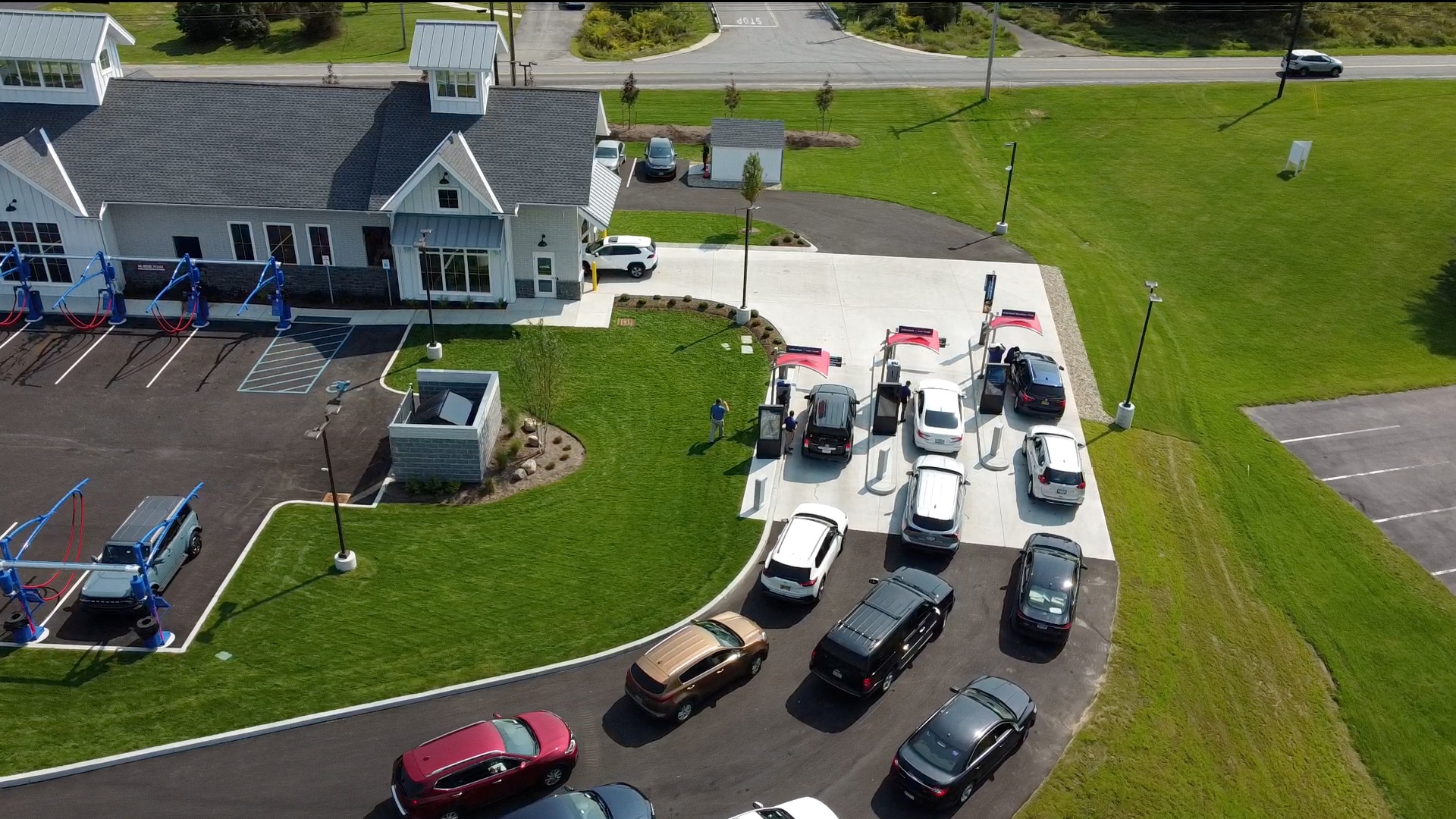
Learn how car wash operators can streamline processes, boost throughput, and deliver a consistent customer experience by improving flow and efficiency.
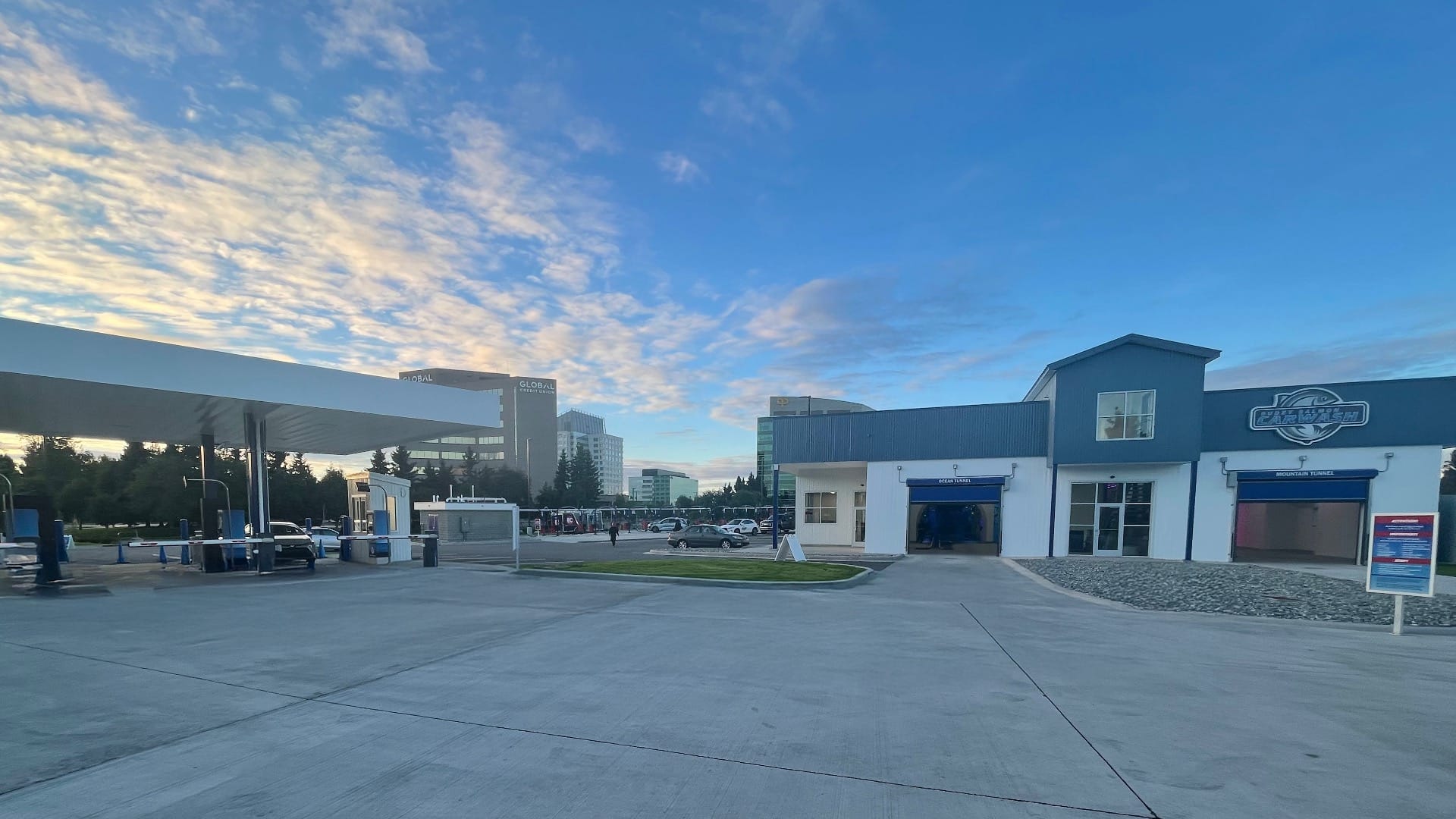
See how Sudzy Salmon in Anchorage optimized a fixed-layout tunnel to go fully prep-less, hit 300+ cars/hour, and boost memberships.
Chemical Delivery System
Water Treatment System
Spot-Free Rinse System
High-Pressure Pump Station
Conveyor Hydraulic Unit
We use cookies to personalize content, provide social media features, and analyze our traffic. We also share information about your use of our site with our analytics partners. You can change your preferences at any time. For more information, please see our Privacy Policy and Cookie Policy. Privacy Policy Cookie Policy
REQUEST A QUOTE
Interested in using our waterjet cutting services? Complete the form to request more information.